
Find Your Perfect Canadian Micro‑Adventure With Smart Filters

Today we’re exploring family‑friendly and accessible Canadian micro‑adventures, focusing on how smart app filters help you quickly choose the right distance, surface, elevation, facilities, and season. Expect practical tips, regional examples, and gentle planning strategies so every outing feels achievable, memorable, and inclusive. We’ll also show simple ways to cross‑check accessibility info, keep kids engaged, and adapt routes for wheelchairs, strollers, or sensory needs. With a few taps, you can transform free time into joyful, low‑stress outdoor moments that everyone genuinely enjoys.

Start With Safety, Comfort, and Fit

Before choosing any route, define what success looks like for your family today: how much time you have, who’s coming, what mobility supports are needed, and the weather window. Use filters for distance, surface, grade, amenities, and transit access. Pick loops or out‑and‑backs that allow easy turnarounds. Favor places with benches, shade, and reliable cell coverage. A small win builds momentum, confidence, and lasting enthusiasm, especially for newer hikers, caregivers, or kids discovering their outdoor rhythm together.

01

Set Clear Constraints In The App

Start with distance and time filters that truly match your energy. Try one to three kilometers for early outings, then layer “kid‑friendly,” “stroller‑friendly,” or “wheelchair accessible.” Limit elevation and choose paved or boardwalk surfaces when consistency matters. Select loop routes to avoid backtracking fatigue, or short out‑and‑backs that allow calm turn‑around points near benches, washrooms, and accessible parking. Save your filter preset for faster decisions next weekend.

02

Read Recent Community Reports

Look for check‑ins from the past week showing photos of surfaces, gates, construction, seasonal closures, or unexpected steps. Filter for four‑star or higher routes with multiple accessibility mentions. Scan for notes about snowpack, ice, slippery boardwalks, or temporary detours affecting mobility devices. Confirm washroom availability and hours. Trust patterns, not a single review. When possible, message local groups or park staff to confirm details before loading the car, strollers, or chairs.

03

Pack Smarter With A Simple Checklist

Prepare a lightweight kit that removes uncertainty: water, snacks, layers, sunscreen, wipes, a compact first‑aid pouch, and a fully charged phone with offline maps downloaded. Include mobility aids, spare tubes, or gloves if pushing a chair on cooler days. Add small kid motivators, like bubbles, scavenger lists, or a magnifying glass. Stash a sit pad for rest breaks. Packing intentionally turns short windows into smooth experiences where everyone has what they need to enjoy the moment.

Accessibility Features That Truly Matter
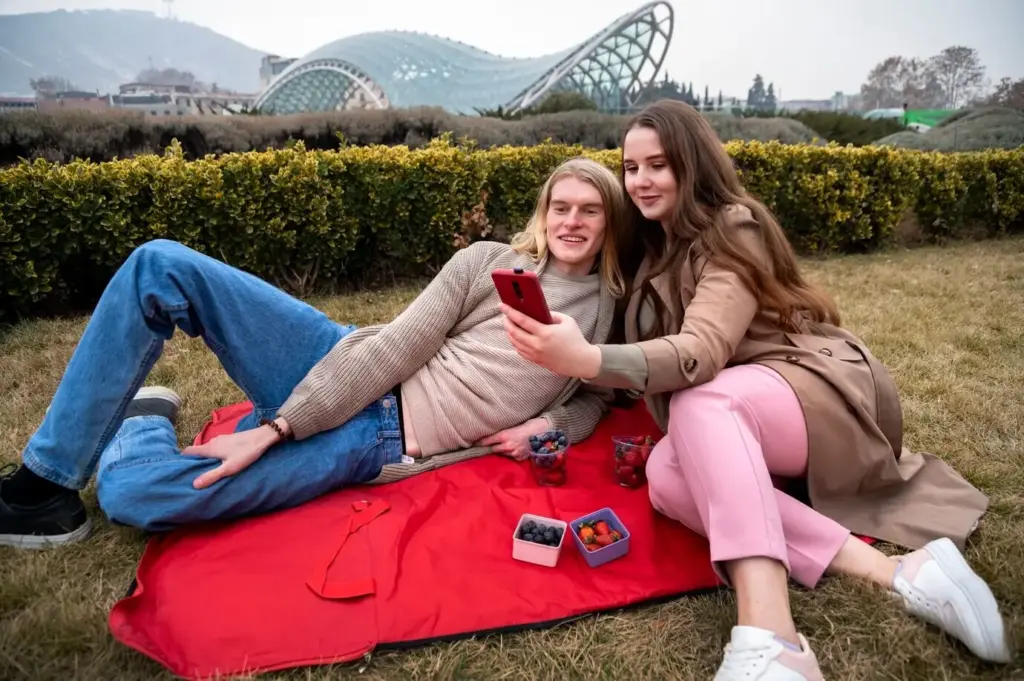
Surface predictability, gentle grades, width, and clear wayfinding make or break inclusive outings. Seek routes with consistent paving or boardwalk, minimal camber, and space for side‑by‑side walking. Many families value benches every few hundred meters, shade during heat, and wind breaks near water. Check for accessible parking, curb cuts, power‑door washrooms, and barrier‑free viewpoints. When in doubt, verify with park pages or accessibility maps. Small details, like turning radii or boardwalk gaps, can determine real comfort.

Paved, Boardwalk, Or Packed Gravel?

Paved paths offer smooth consistency for wheelchairs, scooters, and strollers, especially in wet seasons. Boardwalks provide stability over sensitive habitats, though gaps, transitions, and occasional heaves can matter for small wheels. Packed gravel varies widely; look for well‑compacted surfaces with minimal loose stone. When evaluating photos, scan for edge protection, lip heights at transitions, and width near lookouts. Choose surfaces matching your equipment and expectations, then bookmark similar routes for easy repeat wins.

Gradients And Elevation Gain, Decoded
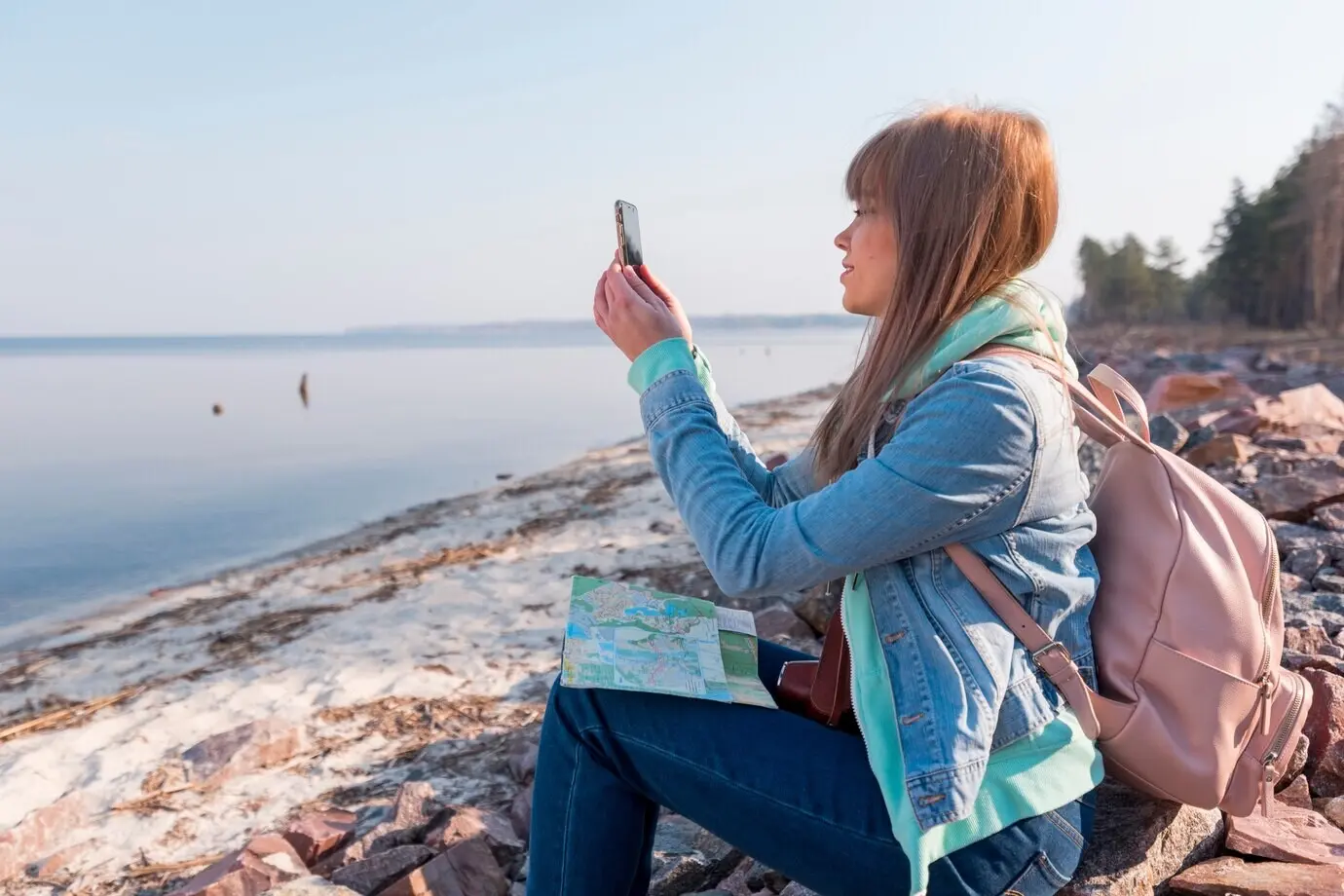
Grade can be confusing. Look for gentle averages, short ramped sections, and detailed elevation profiles. Many families aim for under five percent on sustained stretches, accepting brief steeper ramps where handrails or landings appear. Apps often list total gain, but distributed slope matters more for comfort. Read recent comments for push difficulty and downhill braking concerns. When unsure, pick flatter waterfronts, urban greenways, or rail trails first, then test modest inclines with flexible turn‑around points.

West Coast And Rockies Snapshots

Try Vancouver’s Stanley Park Seawall segments, Victoria’s Galloping Goose paved portions, or accessible stretches near Pacific Rim’s Long Beach viewpoints. Around Calgary, seek Glenmore Reservoir paths and portions of the Legacy Trail near Canmore with suitable grades. In the Rockies, aim for lakeside promenades, nature centers, and short boardwalks where elevation remains gentle. Fog, wind, and rain shift conditions quickly, so cross‑check reports and bring layers. Reward stops with hot chocolate and shoreline driftwood treasure hunts.

Prairies And Central Finds

Winnipeg’s Assiniboine Park offers wide, smooth paths, gardens, and nearby washrooms ideal for short stroller or wheelchair outings. In Saskatoon, the Meewasin Trail includes flatter riverside segments with benches and scenic bridges. Edmonton’s River Valley features paved connections linking playgrounds and viewpoints. Southern Ontario families love accessible sections along the Waterfront Trail and select Bruce Trail side paths with boardwalk improvements. Cross‑reference municipal accessibility PDFs and recent photos to confirm surface quality, winter maintenance, and facility access.

Use Multiple Apps Together For Confidence

No single app shows everything. Combine trail databases for filters, accessibility databases for venue details, official park pages for closures, and weather tools for safe timing. Download offline maps in case reception fades. Cross‑check parking, washrooms, and transit routes on municipal sites. Layer safety by sharing your plan with a friend. This simple stack reduces surprises, keeps energy focused on enjoyment, and makes spontaneous micro‑adventures feel feasible even on busy school nights or between weekend errands.

Micro‑Itineraries For One Hour, Half Day, Or Twilight

Right‑sized plans beat ambitious itineraries every time. For a one‑hour reset, choose a local paved loop with nearby washrooms and a playground backup. For a half day, pair a flat riverside stroll with a picnic and museum stop. Twilight invites gentle waterfront promenades with sunsets and city lights. Use filters to match surfaces, benches, and grade to energy levels. Keep expectations flexible, celebrate small wins, and invite kids to pick the snack or viewpoint to build ownership.

Community, Respect, And Leave No Trace

Kindness and stewardship turn micro‑adventures into shared joy. Model yielding etiquette, quiet observation, and respect for wildlife. Learn about Indigenous territories and local histories through signage or community resources, and follow area protocols. Pack out everything, stick to durable surfaces, and keep dogs leashed where required. Share courteous feedback in apps to guide others, especially about accessibility realities. When families lead with empathy and gratitude, everyone benefits—people, land, and future visitors who will follow your thoughtful footsteps.

Teach Kids Trail Manners

Keep right, yield to those needing more space, and communicate before passing. Encourage kids to ring bells, say hello, and pause for strollers or chairs. Step aside onto durable surfaces, not fragile vegetation. Practice quiet listening near wildlife and water. Celebrate good choices with praise rather than scolding. Manners become fun when framed as teamwork and kindness challenges, and they help children feel proud of contributing to a welcoming, safe atmosphere for every visitor on the path.

Respect Lands And Stories

Before visiting, learn whose traditional territories you’re entering and follow posted guidance from Indigenous communities and park stewards. Support cultural centers and interpretive programs that invite deeper understanding. Stay on marked paths to protect sensitive sites. Photograph respectfully, especially at ceremonial places. Encourage children to ask thoughtful questions and listen to answers with care. Respect creates richer experiences, fosters empathy, and reminds us that our quick outings connect to living histories that deserve mindful attention and gratitude.

Share Feedback To Help Others

After your outing, post a concise, honest report focusing on surfaces, grades, washroom access, parking logistics, and any obstacles like steps or tight corners. Upload clear photos of ramps, boardwalk transitions, and benches. Note seasonal conditions, plowing quality, and busy times. Mention sensory considerations like noise or crowds. Invite others to share updates, then bookmark the route for future quick wins. Your generous details can remove uncertainty for another family planning an accessible micro‑adventure next weekend.

Zemevurimivamonena
Privacy Overview

This website uses cookies so that we can provide you with the best user experience possible. Cookie information is stored in your browser and performs functions such as recognising you when you return to our website and helping our team to understand which sections of the website you find most interesting and useful.